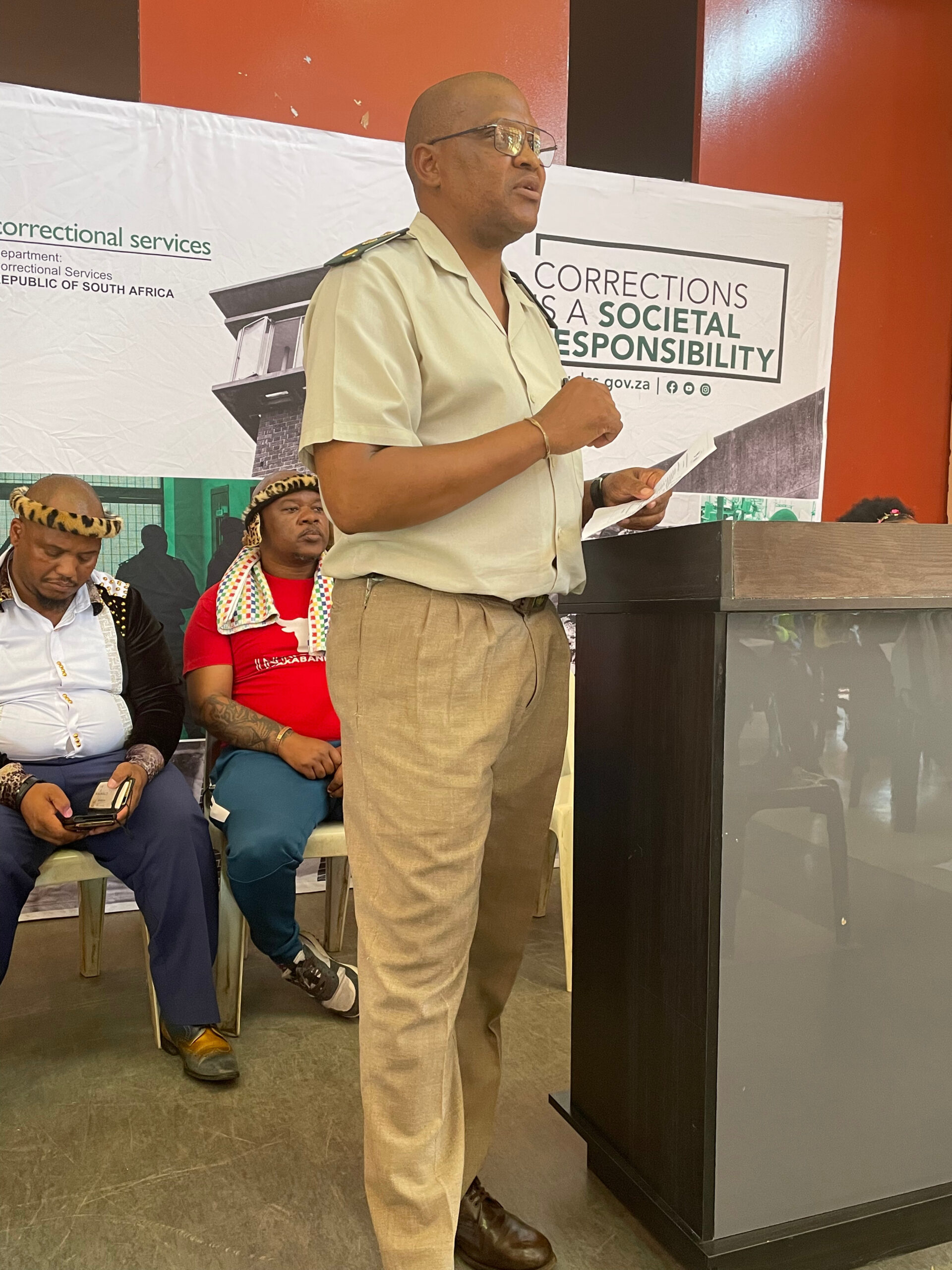
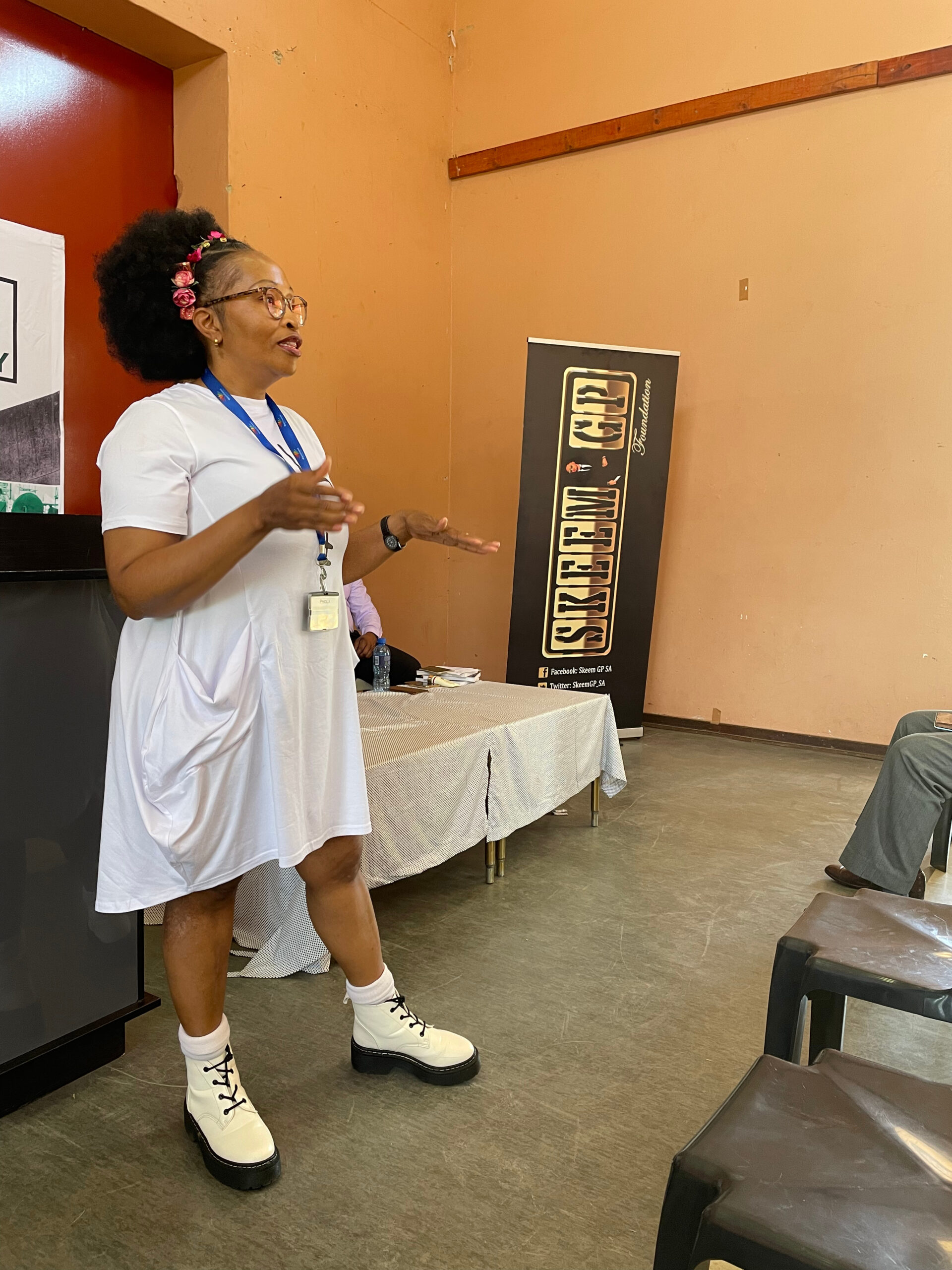
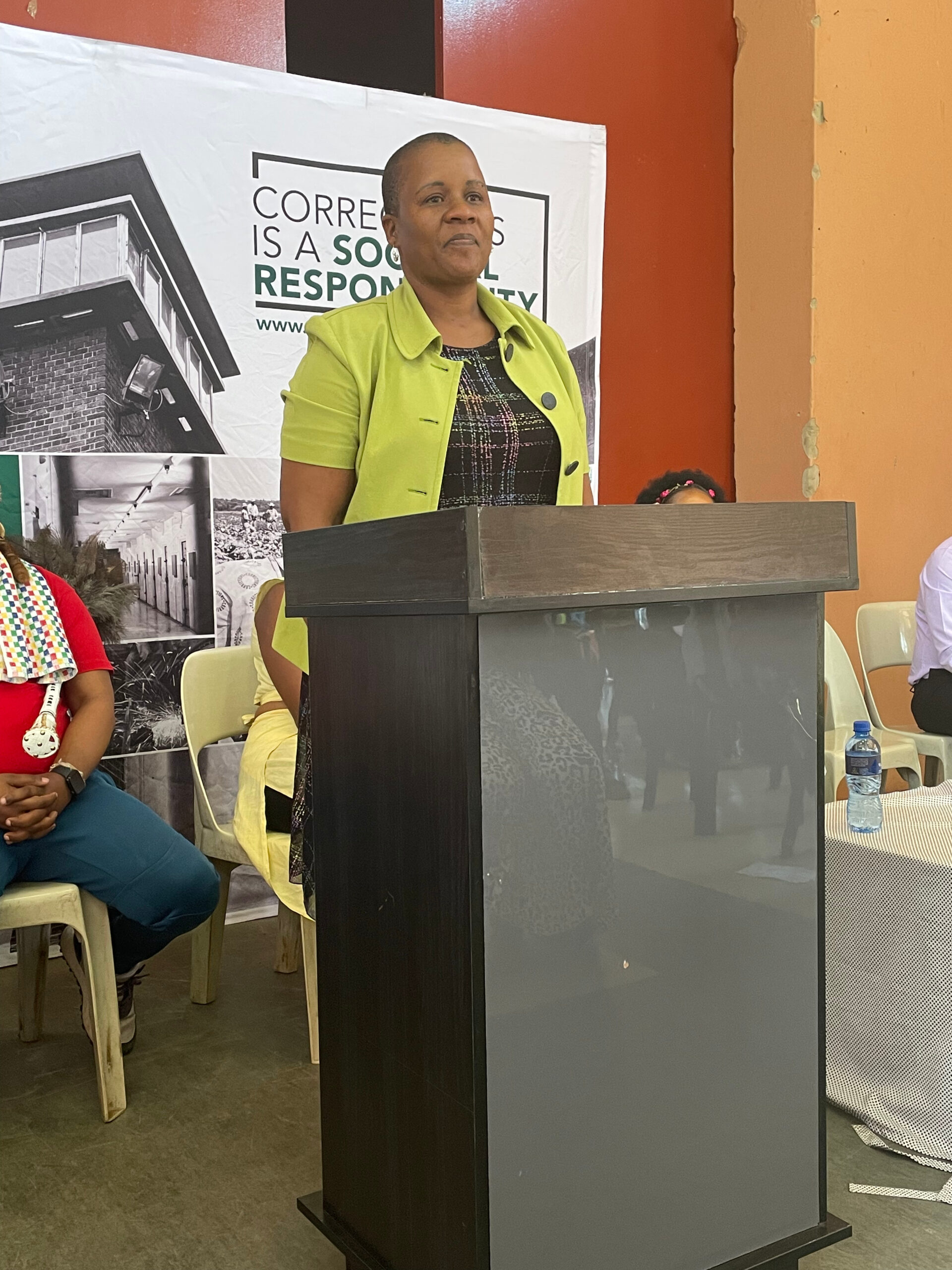
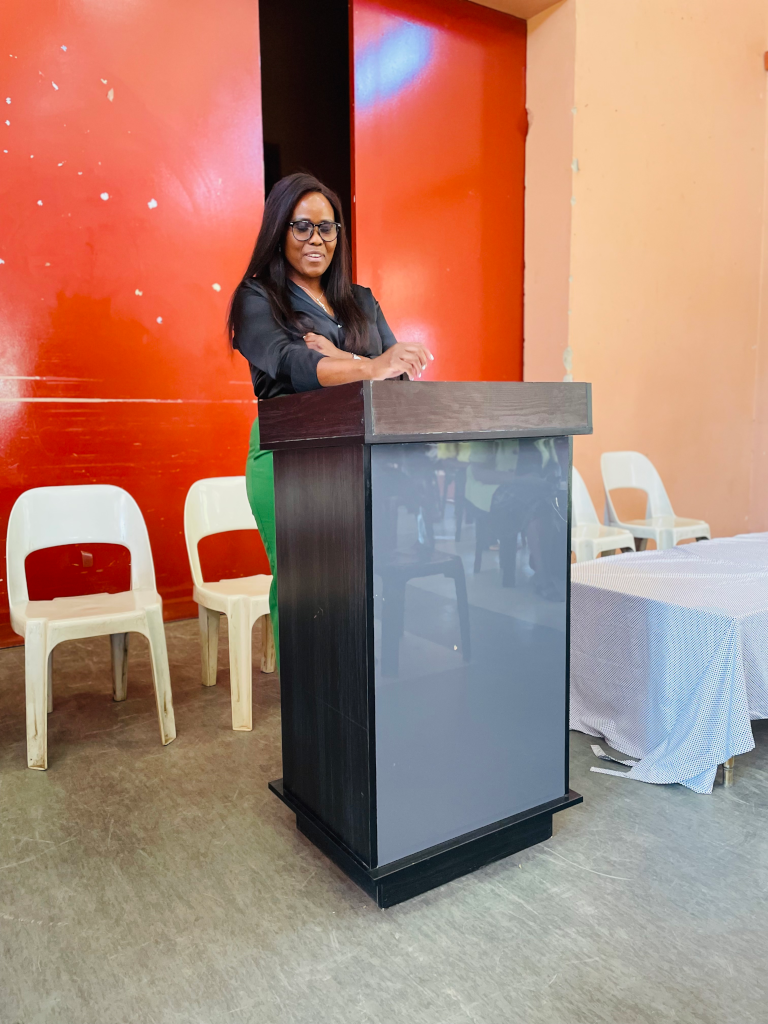
On Thursday the 5th this week I had the privilege of addressing a group of NGOs as well as representatives from the Department of Correctional Services on the role of KiPiDi in the community and how teaching entrepreneurship to ex-offenders and parolees could help break the cycle of recidivism.
Below is an edited version of my talk on what can only be termed an unusual assignment for someone like myself whose experience with our criminal justice system is confined to administrative fines such as a speeding ticket.
While a little out of my comfort zone it didn’t take too long for me to realise that the challenges of reintegration into society of ex-offenders, specifically the labour market, differ only in the stigma that an ex-offender carries by virtue of their criminal record. The challenge remains the same, securing an income through gainful employment.
Ladies and Gentlemen,
Thank you for the opportunity to address such a distinguished audience today. We gather here with a shared commitment to address a critical issue facing our community – the reintegration of ex-offenders and parolees into society. In a country that ranks not only as one of the most unequal in the world but also tops the list with the highest unemployment rates, it is imperative that we explore innovative solutions to break the cycle of recidivism.
Today, I want to emphasise the transformative power of entrepreneurship as a catalyst for economic empowerment and social reintegration. Teaching entrepreneurship to individuals awaiting release and seeking parole is a powerful tool for change. It equips them with the skills, knowledge, and mindset needed to create opportunities for themselves and their families.
Imagine a future where ex-offenders aren’t just job seekers, but job creators. Through entrepreneurship education, we foster a sense of agency and self-sufficiency, enabling them to contribute meaningfully to our community. We must invest in training programs that focus on practical skills, market research, business planning, and financial literacy. These tools are the building blocks of sustainable businesses.
I am aware of a number of TVET interventions in our prisons, but our support doesn’t end at the prison gates. Families play a pivotal role in this journey. They are the bedrock of support, offering the emotional, social, and sometimes even financial backing that individuals need to get back on their feet. Empowering families with resources and information on entrepreneurship can be a game-changer. It not only reinforces the bonds of trust and support but also instils a sense of pride and purpose within the family unit.
Furthermore, let us not forget the crucial role that local politicians, community leaders, social workers, and civil society organisations play in this process. KiPiDi is one such organisation focusing upon developing entrepreneurs in our township environment by teaching entrepreneurship in conjunction with family business dynamics.
By aligning our efforts, we can create an ecosystem of support that nurtures these budding entrepreneurs. This might involve mentorship programs, access to microfinance initiatives, and advocacy for policies that facilitate the transition of ex-offenders into the workforce.
In this context, the unique environment of Soweto presents both challenges and opportunities. The rich tapestry of skills, talents, and cultural heritage within this community can be harnessed to drive entrepreneurship forward. By tapping into local resources and networks, we can create enterprises that are not only economically viable but also socially impactful.
In conclusion, let us all commit to this cause with unwavering determination. By teaching entrepreneurship, we not only equip individuals with the tools to forge their own destinies, but we also fortify the very fabric of our community. Together, we can turn the page on recidivism and write a new chapter of hope, prosperity, and empowerment for Soweto.
Over the past several decades there has been a revolution in the way that the relationship between business and society is understood. To misquote well known economist and Nobel laureate Milton Friedman – the business of business is no longer just business. Or, to paraphrase Harvard Business School professor Theodore Levitt – although profits are…
I thought I’d get ahead of the queue, leapfrog over SONA, and get my ten cents worth in with our new Minister of Finance. Budget Speech 2022 is where the money will be spent. In my blog last week I encouraged corporate South Africa to relocate their head offices from Sandton to Soweto, highlighting the…
Learning is no longer a phase in our life, something we do before we start working. The digital revolution, while creating new jobs and commercial opportunities, also demands new skills that in turn undergo constant change at increasing speed. Continuous learning is therefore a life-long theme we must embrace if we are to remain relevant…
While driving through Sandton the other day, I couldn’t help but stare and marvel at the magnificent head offices of some of our more prominent corporate citizens. I also asked the question: why were these buildings built in Sandton and not in one of our many townships that no doubt supply most of the workers…
The interplay between entrepreneurship and family business represents the intricate relationship and mutual influence that exists between these two dynamic domains of business operation. It encompasses the synergies and tensions that emerge when entrepreneurial aspirations and activities intersect with the characteristics and complexities of family-owned and operated enterprises. Whether located in the highest echelons of…
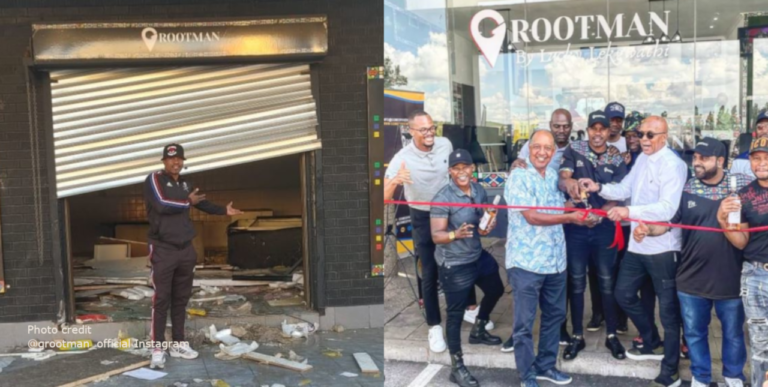
The good news story on the Times Live website of Lucky Lekgwathi and the reopening of his restaurant Grootman, in the Southdale Mall, is testimony to the man’s resilience both on and off the soccer pitch. If we are to rebuild our communities and leave behind the devastation wrought by the events of July 2021,…